
- Inclusive fares with meals and baggage
- Signature “Malaysian Hospitality” cabin service
- Comfortable Business Class and premium suites
- Strong regional and long-haul connectivity
- Enrich loyalty programme with Oneworld benefits
- Competitive pricing versus premium rivals
The global aviation market has become increasingly competitive, with travellers seeking airlines that strike the right balance between comfort, service, and cost. For many passengers, it’s no longer enough to simply reach their destination the journey itself matters just as much. This is where Malaysia Airlines, the national flag carrier of Malaysia, positions itself with its brand promise of “Malaysian Hospitality.”
Malaysia Airlines reviews often highlight three key areas: comfort, service quality, and affordability. Some travellers praise the luxurious Business Suites and exceptional cabin crew service, while others debate whether the fares justify the experience. In this in-depth review, we will explore whether Malaysia Airlines delivers on its promise, analysing every aspect from seating and dining to pricing and loyalty benefits.
History and Background of Malaysia Airlines
Malaysia Airlines traces its roots back to 1947, when it started as Malayan Airways. Over the decades, it has evolved, rebranded, and expanded to become one of Asia’s recognised full-service airlines. Headquartered in Kuala Lumpur, the airline operates primarily from Kuala Lumpur International Airport (KLIA) and plays a vital role in connecting Malaysia to the world.
The airline’s slogan, “Malaysian Hospitality Begins with Us,” reflects its cultural identity. Despite financial challenges and restructuring in past years, Malaysia Airlines has maintained its focus on service excellence and safety. It is also a proud member of the Oneworld Alliance, which allows seamless code-sharing and connectivity with leading global carriers like Qatar Airways, British Airways, and American Airlines.
Key achievements include:
- Expansion into long-haul routes to Europe, the Middle East, and Australia.
- Recognition for inflight service and hospitality.
- Rebuilding brand trust through modernisation of its fleet and operations.
Fleet and Destination
Malaysia Airlines is recognised not only for its signature service philosophy, “Malaysian Hospitality,” but also for the strength of its fleet and network. As the national flag carrier, it operates a mixed fleet of modern Airbus and Boeing aircraft, allowing it to serve a variety of short-haul and long-haul markets. Its strategic route map connects Malaysia to key destinations across Asia-Pacific, the Middle East, Europe, and beyond, with additional reach through its membership in the Oneworld Alliance.
1. Fleet Overview
The Malaysia Airlines fleet is designed to balance regional efficiency with intercontinental comfort.
- Airbus A350: Used primarily for long-haul international routes such as London and some high-demand regional flights. The A350 is renowned for its fuel efficiency, quiet cabins, improved air quality, and premium cabin layouts. Business Suites (equivalent to First Class) are also featured on this aircraft.
- Airbus A330: Deployed on medium- and long-haul flights, offering comfortable Economy and Business Class options. The A330 remains a backbone of the airline’s international operations.
- Boeing 737: Used predominantly for domestic and regional Asia-Pacific routes, including flights to Singapore, Bangkok, and Indonesian cities. The narrow-body 737 is efficient for short sectors and allows high frequency on popular routes.
The fleet strategy demonstrates Malaysia Airlines’ ability to cater to different passenger segments. Wide-body Airbus aircraft deliver comfort on longer routes, while Boeing 737s ensure strong connectivity within Asia.
2. Domestic Destinations
Malaysia Airlines provides extensive domestic connectivity, linking Kuala Lumpur to major Malaysian cities and tourist destinations. Frequent services to Penang, Langkawi, Kota Kinabalu, Kuching, and Johor Bahru make the airline a preferred choice for both business and leisure travellers. The strong domestic network also serves as a feeder for international flights departing from Kuala Lumpur International Airport (KLIA).
3. Asia-Pacific Network
The Asia-Pacific region is the airline’s strongest market, with frequent flights to neighbouring capitals and key business hubs. Notable routes include Singapore, Bangkok, Jakarta, Manila, Tokyo, Seoul, Beijing, Sydney, and Melbourne. These routes serve not only leisure passengers but also business travellers who require reliable and comfortable services. The focus on Asia-Pacific reflects Malaysia Airlines’ strategic positioning in one of the fastest-growing aviation markets in the world.
4. Middle East and Europe
Malaysia Airlines also maintains selective long-haul connectivity to the Middle East and Europe. Popular routes include flights to Jeddah, catering to religious travellers, and London Heathrow, which remains one of its flagship intercontinental services. These long-haul destinations strengthen Malaysia Airlines’ global appeal and provide important cultural and economic links for Malaysian travellers.
5. Oneworld Alliance and Global Connectivity
As a member of the Oneworld Alliance, Malaysia Airlines extends its reach far beyond its own operated network. Through partnerships with airlines such as Qatar Airways, British Airways, Cathay Pacific, and American Airlines, passengers gain access to over 1,000 destinations worldwide. This partnership also allows travellers to enjoy seamless connections, coordinated schedules, and reciprocal benefits such as lounge access and mileage earning through the Enrich programme.
6. Strategic Focus
Malaysia Airlines continues to focus heavily on its Asia-Pacific markets, where demand for both leisure and business travel is strong. At the same time, it maintains premium long-haul routes to Europe and the Middle East to preserve global connectivity. This dual strategy ensures that Malaysia Airlines remains competitive, offering strong regional coverage with select international prestige routes.
Cabin Classes and Comfort
Comfort is one of the first aspects travellers mention in Malaysia Airlines reviews. The airline offers a range of cabins tailored to different budgets and travel styles.
Economy Class
- Standard seating with average legroom of 30–32 inches.
- Free checked baggage, meals, and in-flight entertainment included.
- Seat-back screens offering movies, music, and games.
- USB charging ports on newer aircraft.
Business Class
- Fully flatbeds on long-haul flights.
- Spacious seating with privacy screens and direct aisle access in some configurations.
- Premium inflight dining and wines.
- Amenity kits and priority boarding.
Business Suites (First Class Equivalent)
- Available on Airbus A350 routes.
- Individual suites with sliding doors for privacy.
- Fine dining service with a la carte menu.
- Lounge access and chauffeur services on select routes.
In-Flight Comfort Enhancements
- WiFi available on select aircraft.
- Quiet cabin environment on A350s.
- Amenity kits in premium classes.
Malaysia Airlines comfort generally scores high in reviews, especially for Business Class and Business Suites. Economy passengers also appreciate inclusions like meals and baggage, though legroom is average compared to top competitors.
In-flight Dining Experience
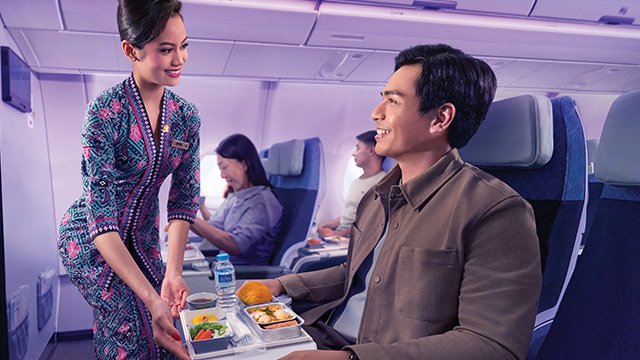
Food plays a central role in Malaysia Airlines’ brand. Its inflight dining experience is a mix of signature Malaysian cuisine and international dishes designed to showcase the country’s heritage while appealing to global travellers.
Highlights include:
- Satay Service: A signature dish served in Business Class, often praised as a standout.
- Variety of meals: Options include Malay, Chinese, Indian, and Western dishes.
- Special meals: Halal-certified meals and dietary options available upon request.
- Premium dining: In Business Suites, meals are presented restaurant-style with fine wines.
Travellers often note that Malaysia Airlines dining feels more authentic and flavourful compared to some rivals. The satay, in particular, is frequently highlighted in Malaysia Airlines reviews as a must-try experience.
Service and Malaysian Hospitality
Service is arguably Malaysia Airlines’ strongest area. Its brand promise of “Malaysian Hospitality” is reflected in cabin crew training, professionalism, and friendliness.
Passengers frequently describe crew members as:
- Warm, welcoming, and attentive.
- Quick to respond to requests.
- Skilled in balancing professionalism with personal touches.
Malaysia Airlines has won awards for its cabin service, and travellers often rank it highly compared to regional competitors. Service in premium cabins consistently receives five-star reviews, while Economy passengers also praise the friendliness of staff, even on short-haul routes.
Malaysia Airlines Lounges
For premium travellers, Malaysia Airlines offers Golden Lounges at KLIA and select international airports.
Features include:
- Comfortable seating and quiet zones.
- Buffet dining with Malaysian and international dishes.
- Showers, prayer rooms, and rest areas.
- Business facilities and workstations.
The Golden Lounge at KLIA is the flagship, often praised for its food variety and ambience. While some reviews note that lounges could be updated further, most travellers find them a pleasant pre-flight experience.
Ticket Pricing and Value for Money
Cost is a deciding factor for many travellers. Malaysia Airlines positions itself as a full-service airline, which means fares include meals, entertainment, and baggage.
- Economy fares: Competitive in Asia-Pacific, often cheaper than Singapore Airlines but more expensive than budget carriers.
- Business Class fares: Generally lower than Singapore Airlines or Qatar Airways, making it attractive for premium travellers seeking value.
- Promotions: Frequent sales and special offers make Malaysia Airlines more affordable.
Value for money depends on the traveller. Those who appreciate included services see Malaysia Airlines as cost-effective, while price-sensitive travellers sometimes find budget airlines cheaper for short-haul routes.
Loyalty Programme – Enrich Miles
Malaysia Airlines operates the Enrich Loyalty Programme, which rewards frequent flyers with miles that can be redeemed for flights, upgrades, and other perks.
Earning Miles
- Earn miles on Malaysia Airlines flights.
- Earn through Oneworld partners and credit card tie-ups.
Redeeming Miles
- Flights, cabin upgrades, excess baggage.
- Exclusive promotions and discounts.
Elite Tiers
- Silver, Gold, and Platinum tiers.
- Priority check-in, extra baggage, lounge access.
Integration with the Oneworld Alliance makes Enrich a valuable programme for global travellers, providing access to hundreds of partner airlines and benefits worldwide.
Safety and Reliability
Safety is one of the most important concerns for passengers. Malaysia Airlines is fully certified by international aviation authorities and complies with global safety standards.
- Regular fleet maintenance and upgrades.
- Safety certifications recognised globally.
- Crew trained for safety and emergency procedures.
- On-time performance has improved in recent years.
While the airline has faced past tragedies, its current safety record is strong, and it continues to rebuild trust with passengers worldwide.
Pros and Cons of Malaysia Airlines
Pros
- Excellent service and “Malaysian Hospitality.”
- Competitive Business Class and Business Suites.
- Authentic inflight dining experience.
- Member of Oneworld Alliance.
- Strong regional connectivity in Asia-Pacific.
Cons
- Economy Class comfort is average.
- Refund and cancellation policies can be strict.
- Limited premium destinations compared to larger rivals.
- Pricing not always competitive with low-cost carriers.
Malaysia Airlines Compared with Competitors
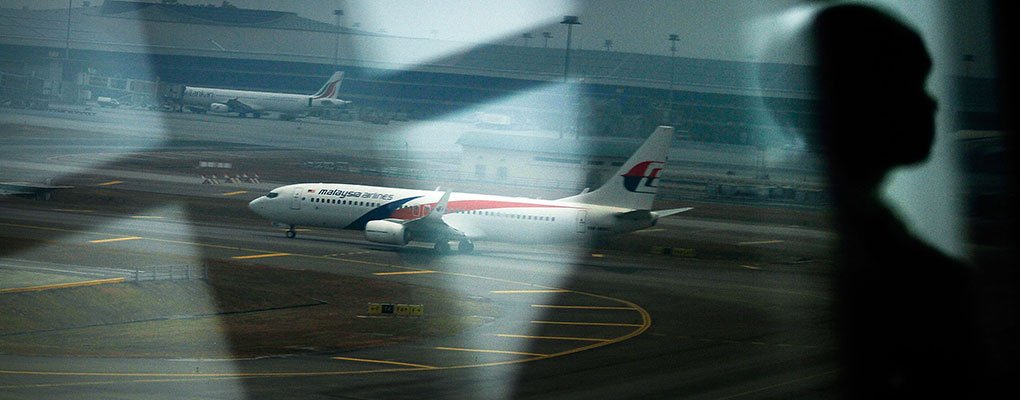
In today’s competitive airline market, travellers have plenty of choices when booking flights. To evaluate Malaysia Airlines effectively, it’s important to compare its offerings against both premium full-service rivals and budget carriers. When stacked up against competitors like Singapore Airlines, Thai Airways, Qatar Airways, and low-cost airlines, Malaysia Airlines demonstrates a clear mid-point positioning: offering more comfort and inclusions than budget carriers, but generally at lower fares than ultra-premium airlines.
1. Malaysia Airlines vs Singapore Airlines
Singapore Airlines is often seen as the gold standard in global aviation. Known for its cutting-edge cabin products, award-winning service, and consistent five-star reputation, it frequently sets the benchmark in Asia.
- Luxury: Singapore Airlines consistently invests in premium cabin innovation, from Suites with separate beds and armchairs to state-of-the-art Business Class seating. Malaysia Airlines, while comfortable, does not match this level of luxury.
- Service: Both carriers focus on hospitality, though Singapore Airlines has built an iconic reputation for world-class service consistency. Malaysia Airlines’ “Malaysian Hospitality” is warm and genuine, but reviews suggest occasional inconsistencies compared to Singapore Airlines’ precision.
- Pricing: Malaysia Airlines fares are usually more affordable than Singapore Airlines, especially in Business Class, making it a better value option for many travellers.
Travellers who prioritise absolute luxury and innovation may prefer Singapore Airlines, while those seeking a good balance of comfort and cost often see Malaysia Airlines as more practical.
2. Malaysia Airlines vs Thai Airways
Thai Airways is another regional competitor with a focus on cultural hospitality. Like Malaysia Airlines, it has faced financial and operational challenges but continues to serve as Thailand’s flag carrier.
- Service Style: Both airlines emphasise cultural warmth, with Thai Airways known for its graceful “Thai touch” and Malaysia Airlines promoting “Malaysian Hospitality.”
- Fleet and Consistency: Malaysia Airlines’ fleet, particularly with Airbus A350s, is considered more modern and reliable compared to Thai Airways, which operates a more mixed and less consistent fleet.
- Pricing: Both airlines are competitively priced within the Asia-Pacific region, often undercutting premium carriers while offering more inclusions than budget airlines.
Malaysia Airlines edges ahead in fleet modernity, while Thai Airways appeals strongly to travellers seeking cultural authenticity.
3. Malaysia Airlines vs Qatar Airways
Qatar Airways, another Oneworld Alliance member, is often considered one of the most premium carriers in the world, especially for Business Class.
- Premium Cabins: Qatar Airways’ Qsuite is widely regarded as the best Business Class product globally, offering unparalleled privacy and innovation. Malaysia Airlines’ Business Class and Business Suites are highly rated but fall short of Qatar’s standard.
- Service Quality: Qatar Airways receives consistently excellent reviews for service, ranking among the world’s best. Malaysia Airlines is praised for hospitality but has more variable reviews.
- Pricing: Malaysia Airlines is usually more affordable, while Qatar Airways commands higher fares that reflect its premium positioning.
Travellers seeking world-class luxury often choose Qatar Airways, while Malaysia Airlines appeals to those who want value-driven comfort without paying top-tier prices.
4. Malaysia Airlines vs Low-Cost Carriers
In Southeast Asia, Malaysia Airlines also competes with low-cost carriers such as AirAsia, Scoot, and Cebu Pacific.
- Fares: Low-cost carriers are generally much cheaper upfront.
- Inclusions: Malaysia Airlines includes meals, checked baggage, and entertainment in its fares, whereas low-cost carriers charge extra for every add-on.
- Comfort: Full-service cabins on Malaysia Airlines offer better seating, inflight dining, and overall travel experience.
For passengers who only want the cheapest ticket, budget carriers win. But for those seeking a balance of affordability and service, Malaysia Airlines is more appealing.
5. Strategic Mid-Point Positioning
When compared across the spectrum, Malaysia Airlines consistently positions itself as a middle ground. It is more affordable than premium competitors like Singapore Airlines and Qatar Airways, yet more comfortable and inclusive than low-cost carriers. This makes it an attractive option for travellers who want value without sacrificing too much comfort or service quality.
Who Should Fly Malaysia Airlines?
Malaysia Airlines is a versatile full-service carrier that appeals to many types of travellers. Its balance of comfort, service, and affordability makes it a practical option for those who want value without compromising on essentials such as meals, baggage, and safety.
1. Families
Families often find Malaysia Airlines an ideal choice because fares include baggage, inflight meals, and entertainment, making the journey smoother for children and parents. The airline also offers family-friendly lounges and services that ease travel stress.
2. Business Travellers
For business travellers, Malaysia Airlines offers reliable Business Class cabins with flatbed seating on long-haul routes, priority check-in, and lounge access. The Enrich frequent flyer programme and Oneworld Alliance membership add value for frequent flyers who require global connectivity.
3. Couples
Couples seeking romantic getaways can enjoy Malaysia Airlines’ premium dining, comfortable cabins, and Golden Lounge facilities. From champagne in Business Class to luxury Business Suites on the A350, the airline adds a touch of indulgence to special trips.
4. Solo Travellers
Solo travellers benefit from Malaysia Airlines’ affordable regional connectivity and strong safety reputation. Whether exploring Southeast Asia or connecting to international destinations, solo passengers appreciate the inclusive fares that avoid the hassle of paying separately for meals and baggage.
5. Budget-Conscious Travellers
Promotional fares make Malaysia Airlines attractive for budget-conscious passengers who want more than what low-cost carriers offer. With meals, entertainment, and baggage included, travellers often find the airline delivers better value compared to stripped-down budget airlines.
Overall, Malaysia Airlines is best suited for travellers who appreciate affordable comfort and Malaysian Hospitality, whether for business, leisure, or family adventures.
Must Read:
- Klook Reviews: Worth Booking Your Travel Fun?
- CheapOair Reviews: Flight Deals or Hidden Fees?
- Go City Reviews: Smart Pass or Tourist Trap?
FAQs:
Is Malaysia Airlines safe?
Yes, Malaysia Airlines is safe and fully certified by international aviation authorities.
Does Malaysia Airlines have good service?
Yes, its service is highly rated, especially in premium cabins.
How comfortable is Economy Class?
Comfort is average, but meals, baggage, and entertainment are included.
Is Malaysia Airlines expensive?
It offers good value compared to premium rivals, though not as cheap as low-cost carriers.
Does Malaysia Airlines offer WiFi?
Yes, WiFi is available on select aircraft, mostly long-haul Airbus A350s.
Is the Enrich programme worth joining?
Yes, especially for frequent flyers in Asia-Pacific and Oneworld travellers.
Final Verdict:
Malaysia Airlines is a legitimate, trusted, and full-service carrier that balances comfort, service, and cost better than many of its regional competitors. It shines in Business Class and Business Suites, where service and dining receive glowing reviews. Economy Class offers fair value with inclusive fares, though it lacks standout features compared to premium rivals.
For travellers who value service and hospitality over rock-bottom prices, Malaysia Airlines is absolutely worth flying. Its balance of cultural identity, modern fleet, and Oneworld connectivity makes it a strong choice for both regional and long-haul journeys.